What Are the Best Pallet Sleeves from China?

Time:2026-09-14 Author:Oliver
0%

Choosing the best Pallet Sleeves from China requires more than comparing prices and product photos. Buyers must examine material quality, dimensions, load performance, and supplier reliability. A sleeve may look sturdy on a screen but feel thin when folded around a full pallet. That difference matters.

Experienced importers usually request samples before placing large orders. They check board thickness, edge strength, folding accuracy, and resistance to moisture. Some suppliers offer corrugated, honeycomb, or plastic designs. Each option serves a different handling environment. Corrugated sleeves are lightweight and printable. Honeycomb panels provide stronger protection for heavy goods. Plastic sleeves can support repeated use, but their cost and environmental impact need careful review.

Reliable manufacturers should provide clear specifications, production photographs, inspection records, and realistic delivery schedules. Certifications can support confidence, yet certificates alone do not prove consistent factory performance. Independent inspection may reveal uneven cutting, weak seams, or poor packaging. Small details often expose larger process problems.

The best choice depends on the product, pallet size, warehouse conditions, and shipping route. A sleeve designed for dry indoor storage may fail during humid export transport. Buyers should also confirm stacking limits and returnable packaging requirements. Not every low-cost offer is economical. Sometimes, a stronger sleeve reduces damaged goods and replacement expenses.

This guide compares leading Chinese suppliers through practical purchasing criteria. It also considers communication, customization, quality control, and after-sales support. Some recommendations may still require careful verification. Supplier performance can change over time. That is worth remembering. Evidence should guide the final decision.
What Are the Best Pallet Sleeves from China?

What Are Pallet Sleeves and How Do They Work?

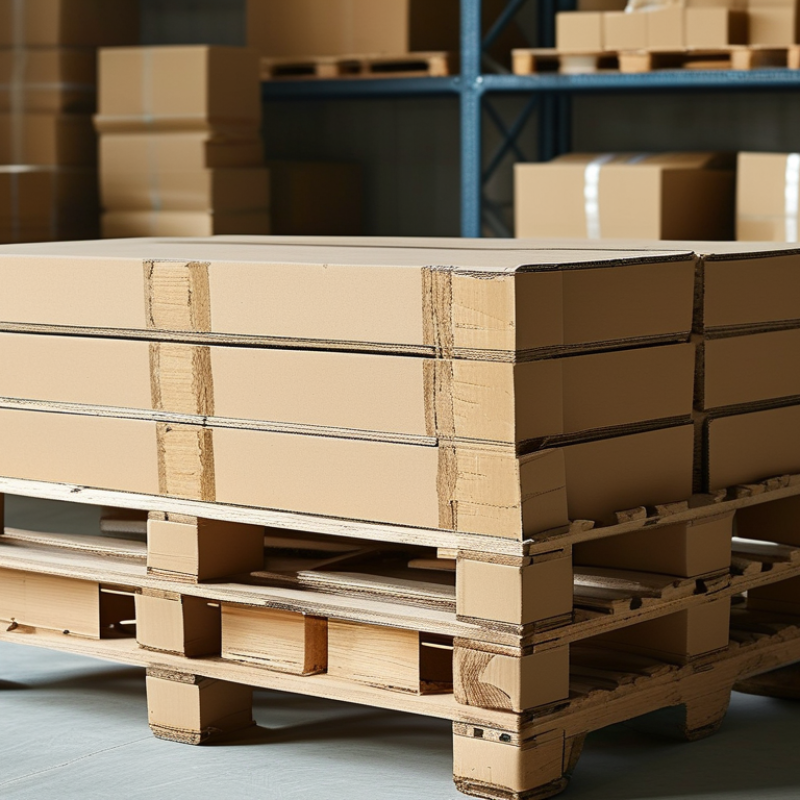
Pallet sleeves are protective walls placed around goods on a pallet. They are usually made from corrugated board, plastic, or durable composite sheets. A sleeve creates a stable loading space without requiring a full wooden crate. It can fold flat when empty. That saves storage room.

The sleeve sits directly on the pallet deck. Products are loaded inside its walls, often in layers with separators. A lid or another pallet can close the top. During movement, the sleeve helps limit sliding, impact, and minor compression. It also keeps loose items contained during forklift handling. The pallet still carries the main weight. The sleeve is not a magic shield.

For buyers comparing pallet sleeves from China, practical testing matters more than attractive photographs. Check the inner dimensions, wall thickness, folding lines, moisture resistance, and edge strength. Ask for compression and vibration test data. A sleeve that works for dry cartons may fail around chilled or damp goods. I have seen specifications look suitable, yet the folded corners weakened after repeated use. That detail is easy to miss. Request a sample packed with your actual product, then test stacking, loading, unloading, and return folding. Reusable sleeves need consistent hinges and clean locking points. Disposable versions may offer lower handling costs, but waste volume can rise. The best choice depends on product weight, travel distance, warehouse conditions, and reuse goals.

Which Pallet Sleeve Materials and Designs Are Available in China?

Choosing the best pallet sleeves from China starts with the material, not the appearance. Corrugated plastic, usually polypropylene, offers strong moisture resistance and repeated use. It works well for seafood, produce, and warehouse transfers. Paperboard sleeves are lighter and easier to recycle, but they need dry storage. Corrugated cardboard can reduce cost and weight. However, its edges may soften during long exposure to humidity. Not every option works.

Chinese manufacturers also produce solid plastic sleeves for demanding returnable systems. These sleeves resist impact and clean easily. Foldable designs reduce storage volume between shipments. Interlocking corners improve stability without adding metal parts. Some models include ventilation holes for products needing airflow. Others use full panels for dust protection and privacy. Perforated walls can balance ventilation with load support.

I have found that sleeve dimensions deserve as much attention as material selection. A few millimeters can affect pallet fit, stacking, and labor time. Check inner length, width, height, and corner clearance. Request samples with the actual pallet and product load. Printed handling marks can improve warehouse accuracy, but ink adhesion needs testing. Reusable sleeves may seem economical, yet cleaning and return freight can change the calculation. My earlier assumption was simple: thicker always meant better. In practice, excessive thickness can increase weight and limit folding efficiency. A reliable supplier should provide material data, compression results, tolerances, and a clear inspection process.

What Are the Best Pallet Sleeves from China?

China commonly supplies pallet sleeves made from LDPE, LLDPE, HDPE, PP, and recycled polyethylene. The best choice depends on the required balance of flexibility, impact resistance, stiffness, and recyclability.

How to read the chart: The 1–5 scores are an indicative comparison based on commonly reported polymer characteristics, where 5 represents stronger relative performance. LDPE and LLDPE are generally preferred for flexible, impact-resistant sleeves, while HDPE and PP offer greater stiffness. Recycled polyethylene can support sustainability goals, but its performance depends on recycled-content quality and formulation.

Common designs available in China: Flat sleeves are economical for standard pallet loads; gusseted sleeves provide extra capacity for irregular or oversized products; perforated sleeves improve ventilation; anti-static or UV-stabilized versions are used for specialized storage and transport conditions.

How to Compare Chinese Pallet Sleeve Manufacturers and Products?

What Are the Best Pallet Sleeves from China?

Comparing Chinese pallet sleeve manufacturers requires more than checking online prices. Start with the material specification. Ask whether the sleeve uses recycled paper, virgin fiber, or a controlled blend. Request thickness, burst strength, moisture resistance, and compression data. A clear data sheet matters.

Inspect production evidence, not only product photos. A reliable factory should explain its cutting, folding, printing, and inspection procedures. Ask for recent samples from normal production. Measure the sleeve length and width yourself. A two-millimeter difference can affect stacking stability. Check whether the sleeve remains firm after warehouse humidity exposure.

Communication is a practical test. Does the supplier answer technical questions directly? Can it confirm tolerances, packing methods, and replacement procedures? Request a small trial order before committing to large volume. Compare sample quality, lead time, carton protection, and shipping documents. The lowest quotation may hide weak edge protection or inconsistent sizing.

Experience also shows that certifications need verification. Ask for the certificate number, issuing body, and matching product scope. References from similar industries can reveal delivery habits. Still, references are not proof of every current batch. Factories change staff, equipment, and materials. I would recheck quality before each major order. That step feels repetitive, but skipping it can be expensive. Judge the manufacturer by evidence, consistency, and willingness to correct mistakes, not by polished claims.

What Are the Best Pallet Sleeves from China? – How to Compare Chinese Pallet Sleeve Manufacturers and Products?
Comparison Dimension Common Chinese Market Option Typical Specification or Verified Range What to Check with the Manufacturer Recommended Standard Importance
Product Material Corrugated cardboard sleeve Single-wall or double-wall corrugated board; kraft or recycled paper liner Paper grade, flute type, edge-crush test, burst strength, and recycled content Use double-wall board for heavy or high-stacking loads High
Reusable Material Plastic sleeve Usually manufactured from PP, HDPE, or recycled plastic sheets Material identification, thickness tolerance, impact resistance, and washability Choose reusable plastic for closed-loop logistics and repeated handling High
Standard Footprint Euro pallet format 1,200 × 800 mm; common sleeve heights include approximately 200, 400, and 800 mm Internal dimensions, corner clearance, pallet compatibility, and dimensional tolerance Confirm whether dimensions are internal or external before ordering High
Standard Footprint Industrial pallet format 1,200 × 1,000 mm; custom heights are available for different product loads Fit with the exact pallet deck, forklift entry, and warehouse racking system Request a production drawing before mass production High
Square Pallet Format Large square pallet sleeve Approximately 1,140 × 1,140 mm is commonly used in some supply chains Corner protection, lid compatibility, and stability during transport Use only when the pallet and logistics network support this footprint Medium
Load Protection Light-to-medium duty sleeve Suitable for stable, evenly distributed loads; capacity depends on material, height, and stacking method Compression test results, stacking height, load distribution, and safety factor Do not select by paper weight alone; require compression-test evidence High
Moisture Resistance Standard untreated cardboard Protects against abrasion and partitioning but has limited resistance to water and high humidity Coating type, water-resistance test, storage humidity, and transport conditions Use coated board or plastic where condensation or rain exposure is possible High
Foldability and Storage Flat-pack sleeve Designed to be shipped and stored flat, reducing empty-volume freight and warehouse space Folding score quality, crease durability, setup time, and damage after repeated folding Prefer flat-pack construction for export shipments and high-volume storage High
Assembly Method Folded or glued construction Can use locking tabs, adhesive joints, stitched joints, or combined structures Assembly labor, joint strength, adhesive suitability, and repair method Locking structures are useful when fast assembly and recyclability are priorities Medium
Printing Plain, one-color, or multi-color printing Flexographic or digital printing may be available depending on order volume Color consistency, print rub resistance, artwork proof, and ink compliance Use simple markings for logistics; use multi-color printing only when commercially necessary Medium
Customization Custom size and protective features Possible options include hand holes, ventilation holes, dividers, lids, labels, and corner reinforcements Tooling cost, minimum order quantity, sample approval, and change-control process Approve a physical sample before confirming the final production specification High
Product Safety General industrial packaging use Packaging should be free from sharp edges, excessive odor, loose fibers, and unstable joints Material declarations, safety data, product inspection records, and handling instructions Define acceptable quality limits in the purchase contract High
Food or Pharmaceutical Use Packaging used near regulated products Requirements depend on direct contact, indirect contact, destination market, and product category Food-contact statement, migration documentation, hygiene controls, and traceability Request market-specific compliance documentation before purchase High
Quality-Control Capability Factory with documented inspection procedures Basic controls should cover dimensions, material, weight, appearance, joints, and packing quantity Inspection plan, calibrated equipment, batch records, defect classification, and corrective-action process Use pre-production, in-process, and pre-shipment inspections for export orders High
Sampling and Prototyping Pre-production sample A sample should represent the final material, construction, printing, and dimensions Sample lead time, sample charges, revision policy, and approval procedure Do not approve production from artwork or drawings alone High
Minimum Order Quantity Stock size or standard design Usually easier to source in smaller quantities than fully customized sizes or printed products MOQ by size, material, printing method, tooling, and packaging configuration Compare total landed cost rather than unit price only Medium
Lead-Time Planning Standard product versus customized product Custom tooling, material procurement, sample approval, and production scheduling affect delivery time Confirmed production schedule, holiday impact, inspection date, and shipping window Obtain a written timeline covering sample, production, inspection, and dispatch High
Export Packaging Bundled flat packs or protected cartons Packaging should prevent crushing, moisture damage, contamination, and quantity variation Bundle quantity, carton dimensions, palletization, stretch wrapping, and container utilization Review loading photos or a packing diagram before shipment High
Sustainability Recyclable paper or reusable plastic Paper sleeves are generally recyclable when free from unsuitable laminations; plastic sleeves can support reuse Recycled content, recyclability, coatings, material separation, and end-of-life instructions Select the material according to the complete reuse, recycling, and disposal cycle Medium
Total Cost Purchase price plus logistics and handling Actual cost includes product, tooling, printing, inland freight, ocean or air freight, duties, inspection, and storage Incoterm, quotation validity, packing quantity, shipping volume, and replacement policy Compare landed cost per protected pallet or per shipment, not only price per sleeve High
Data note: Dimensions and material descriptions shown above reflect commonly used pallet-sleeve formats and purchasing criteria in the international packaging market. Load capacity, moisture resistance, lead time, minimum order quantity, and compliance status must be confirmed through the selected manufacturer’s technical documents, test reports, approved samples, and purchase specifications.

What Quality Standards Should Chinese Pallet Sleeves Meet?

What Are the Best Pallet Sleeves from China?

What Quality Standards Should Chinese Pallet Sleeves Meet?

A reliable Chinese pallet sleeve should meet measurable packaging standards, not only look clean in photos. ISO 3394 uses a 600 × 400 millimetre modular base for transport packaging. The sleeve should fit pallets without loose folds or forced seams. Check fabric weight, thickness tolerance, tear strength, seam strength, and load stability. A practical factory inspection should sample rolls from several production batches. One sample is not evidence.

Distribution testing matters. ASTM D4169 and ISTA 3E can assess vibration, compression, impact, and warehouse handling. These tests should match the sleeve’s real journey, including stacking height and pallet weight. Ask for test conditions, not just certificates. A flawless-looking sleeve can still split at the corner. That assumption is risky.

Material control is equally important. The OECD Global Plastics Outlook reports that plastic packaging created 142 million tonnes of waste in 2019, nearly 40% of all plastic waste. Therefore, buyers should request recycled-content declarations, material identification, and recycling guidance. For food or sensitive goods, independent migration testing may be necessary. ISO 9001-based quality systems should support batch records, corrective actions, and traceability. Still, paperwork can hide weak process control. A careful buyer should inspect resin storage, welding temperature, cutting accuracy, and finished-sleeve samples before approving regular orders.

How to Choose the Best Pallet Sleeves for Your Supply Chain?

Choosing pallet sleeves for your supply chain requires more than comparing prices. Start with the pallet dimensions, product weight, and stacking height. A sleeve that fits loosely may shift during handling. A tight sleeve can slow packing and create damage.

Material selection matters. Corrugated sleeves are light and economical for one-way shipments. Plastic sleeves handle moisture better and may support repeated use. Check wall thickness, corner strength, fold quality, and surface resistance. In warehouse trials, place loaded sleeves on uneven floors and move them with standard equipment. Watch the corners. Small failures often appear there first.

When sourcing from China, request samples before approving bulk production. Ask for compression data, moisture testing, material specifications, and inspection records. Confirm tolerances in writing, including height, opening size, printing position, and bundle quantity. A reliable supplier should explain production limits clearly, not promise everything. Review lead times carefully, especially before seasonal demand. One missed sailing can cost more than a cheaper unit price. I once focused too heavily on sleeve cost and underestimated storage space for bundled stock. That decision needed correction. Also examine packaging, container loading, and replacement procedures. Clear communication helps, but written checks protect both sides.

FAQS

What should I compare when evaluating pallet sleeve manufacturers?

Compare material, dimensions, strength data, production controls, lead time, packaging, and replacement procedures. Price alone is incomplete.

Which material is suitable for pallet sleeves?

Corrugated paper suits lighter, one-way shipments. Plastic handles moisture better and may support repeated use. Choose based on load and environment.

What product specifications should I request?

Request thickness, wall strength, compression data, moisture resistance, dimensions, tolerances, and material composition. Ask for a clear data sheet.

Why should I inspect physical samples?

Samples reveal folding quality, edge protection, sizing accuracy, and surface durability. Measure the sleeve yourself. Two millimeters can affect stability.

How can I test a pallet sleeve before bulk production?

Place a loaded sleeve on an uneven floor. Move it with standard equipment. Watch the corners, folds, and opening. Small weaknesses appear there.

What questions should I ask about factory production?

Ask about cutting, folding, printing, inspection, and packing procedures. Request samples from normal production, not specially prepared pieces.

How can I verify certificates and quality claims?

Check the certificate number, issuing body, and product scope. References can help, but they do not guarantee every current batch.

What communication signs indicate a dependable supplier?

Clear answers matter. The supplier should confirm tolerances, packing, lead times, and replacements in writing. Promising everything is not enough.

Why is a trial order useful?

A small trial can expose inconsistent sizing, weak cartons, poor protection, or delayed delivery. I once focused too much on unit cost. Storage space became the real problem.

What logistics details deserve attention?

Review bundle quantity, carton protection, container loading, shipping documents, and seasonal lead times. One missed sailing can outweigh a cheaper price.

Conclusion

Pallet Sleeves are flexible protective covers designed to fit around palletized goods, helping stabilize loads, reduce product damage, and improve storage and transportation efficiency. They can be used with pallets of different sizes and may include features such as reinforced edges, access openings, ventilation, closures, and printing areas. In China, common material options include woven polypropylene, polyethylene, paper-based composites, and reusable fabric, each offering different levels of strength, moisture resistance, flexibility, and environmental performance.

When evaluating Chinese manufacturers, buyers should compare material consistency, sleeve dimensions, design customization, production capacity, quality control, communication, and delivery reliability. Products should meet applicable packaging, safety, durability, and environmental requirements, with clear testing records and inspection procedures. The best choice depends on the supply chain’s load weight, handling conditions, storage environment, reuse expectations, and budget. A careful assessment of samples, certifications, production processes, and after-sales support can help companies select reliable Pallet Sleeves that provide practical protection and long-term value.


Oliver

Oliver

Oliver is a seasoned marketing professional with a wealth of expertise in driving brand awareness and engagement. With a deep understanding of our company's product offerings, he consistently delivers high-quality content that enriches our professional blog. His insights not only shed light on......