Best Stackable Pallet Boxes for Efficient Shipping Solutions?

Time:2026-06-13 Author:Liam
0%

In today’s fast-paced logistics industry, optimizing shipping solutions is crucial for businesses. Stackable pallet boxes have emerged as a key component for efficient storage and transport. According to a recent report by the International Warehouse Logistics Association (IWLA), utilizing stackable solutions can increase warehouse space efficiency by over 30%.

As noted by industry expert, Sarah Jennings, “Stackable pallet boxes offer flexible design that adapts to various products.” This adaptability is essential for businesses seeking to enhance their supply chain efficiency. These boxes are designed to reduce wasted space in transit and at facilities. They also minimize labor costs by facilitating easier loading and unloading.

However, selecting the right stackable pallet boxes can be challenging. Not all designs meet the specific needs of different goods. Businesses must reflect on their unique requirements and long-term goals when choosing stackable pallet options. The market offers a variety of materials, sizes, and weight capacities. Understanding these factors will lead to better decisions in shipping and storage.
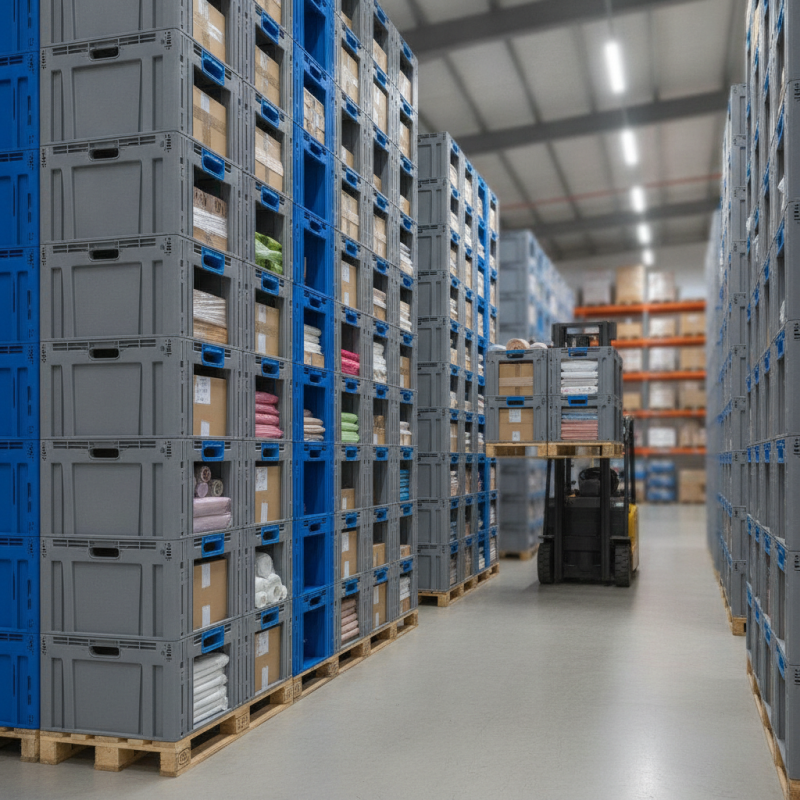
Best Stackable Pallet Boxes for Efficient Shipping Solutions?

Understanding Stackable Pallet Boxes and Their Benefits

Stackable pallet boxes are essential in modern logistics. They maximize space during shipping and storage. These boxes are designed to fit neatly atop one another. This feature allows businesses to utilize vertical space effectively.

The benefits of stackable pallet boxes are numerous. They improve organization and streamline loading processes. When transporting goods, they reduce the need for excess pallets. This can lead to lower shipping costs. Additionally, their durability ensures that products remain safe. However, not all stackable boxes are created equal. Some may buckle under weight if not properly assessed.

While these boxes offer efficiency, businesses should consider their limitations. Not every product may fit well in a standard stackable box. It’s crucial to analyze the size and weight of goods before packing. Overloading can lead to damage or loss. Finding the right balance is vital for effective use.

Key Features to Consider When Choosing Stackable Pallet Boxes

When selecting stackable pallet boxes, several key features deserve attention. The material used for construction plays a critical role. For instance, high-density polyethylene (HDPE) is known for its strength and resistance to impact. According to industry data, HDPE can endure temperatures ranging from -40°F to 140°F, making it ideal for diverse shipping needs.

Load capacity is another essential consideration. Many stackable pallet boxes can support anywhere from 500 to 1,500 pounds. This variation affects storage strategies and shipping efficiency. A box that cannot bear the weight of its contents can lead to damage and costly delays.

Design elements, such as the size and stacking capability, also impact functionality. Boxes that are too large may waste space, while those that are too small can limit shipping options. Studies reveal that optimizing space during transportation can lead to a 30% reduction in shipping costs. Finding a balance in size and strength is critical for operational effectiveness.

Top Brands and Models of Stackable Pallet Boxes for Shipping

When selecting stackable pallet boxes, efficiency is key. The market offers various designs tailored for versatile shipping needs. Many companies prioritize the integration of durable materials, ensuring longevity while minimizing costs. According to a recent report by Logistics Management, businesses can save approximately 20% in shipping costs with optimized pallet box designs.

Top models include boxes that allow for easy handling and stacking. Efficient use of space can lead to a significant decrease in transportation expenses. Data indicates that companies utilizing stackable solutions report a 15% reduction in warehouse footprint. This becomes especially important in a warehousing ecosystem increasingly challenged by space limitations.

However, not all stackable boxes perform equally. Factors such as load capacity and stacking height need careful consideration. Businesses may overlook these details, leading to potential inefficiencies. A detailed analysis shows that improper stacking can result in a 30% increase in damage during transit. It's essential to choose designs that align with specific shipping requirements and to test their reliability before widespread use.

Best Stackable Pallet Boxes for Efficient Shipping Solutions

Model Dimensions (inches) Weight Capacity (lbs) Material Feature
Box A 48 x 40 x 36 1200 Plastic Stackable, Water-resistant
Box B 48 x 40 x 30 1500 Metal Durable, Rust-resistant
Box C 48 x 40 x 28 1000 Cardboard Eco-friendly, Lightweight
Box D 48 x 40 x 32 1300 Composite Moisture-resistant, Stackable

Comparative Analysis of Material Types for Stackable Pallet Boxes

When evaluating stackable pallet boxes, material choice is crucial. Different materials impact durability, weight, and cost. Common options include plastic, metal, and wood. According to industry reports, plastic pallet boxes are lightweight yet robust. They can withstand harsh environments, making them ideal for shipping perishable goods.

Metal pallet boxes offer superior strength. They are resistant to corrosion and are suitable for heavy loads. However, they tend to be heavier and more costly. Statistics show them lasting 5-10 years longer than their plastic counterparts under rigorous use. Yet, they might require additional maintenance, which adds to operational costs.

Wooden pallet boxes provide a blend of affordability and usability. They're easy to repair and recycle, but they can suffer from moisture damage. Research indicates that while wooden boxes are less durable, their lower initial cost appeals to many businesses. Nevertheless, companies must weigh these factors carefully. Balancing cost against longevity is vital for efficient shipping solutions. Each material has its benefits and drawbacks, warranting thoughtful consideration.

Best Stackable Pallet Boxes for Efficient Shipping Solutions

This chart compares the weight capacity of different types of stackable pallet boxes used for efficient shipping solutions. The data shows that metal boxes can hold the most weight, followed by plastic, wood, and cardboard options.

Best Practices for Efficient Stacking and Shipping with Pallet Boxes

When using pallet boxes for shipping, efficient stacking is crucial. Stacking these boxes properly maximizes space and reduces costs. Begin by ensuring that the boxes are stacked evenly. This helps distribute weight and prevents accidents during transport. It’s essential to check for any damage before stacking. Damaged boxes can compromise the stability of the stack.

Consider the weight of items inside each box. Heavier items should always go at the bottom. This lowers the risk of toppling during movement. Incorporating corner protectors can enhance stability. They prevent boxes from shifting and protect the edges during transit. Make sure to use straps or wrapping to secure the stack. Keep an eye on the total height; too tall increases the risk of collapse.

Be aware that not every pallet box is suitable for every load. Reflect on the specific needs of your shipments. What works for one type of shipment may not work for another. Testing different box configurations can yield valuable insights. Ultimately, consistent practices will lead to more effective shipping outcomes.

FAQS

: What materials are commonly used for stackable pallet boxes?

: Common materials include plastic, metal, and wood. Each has unique benefits and drawbacks.

Why is load capacity important when choosing a pallet box?

Load capacity affects storage and shipping efficiency. A box must support its contents to avoid damage.

How does the size of pallet boxes influence shipping costs?

Optimizing box size can reduce shipping costs by up to 30%. Balance is key for effective operations.

What are the benefits of plastic pallet boxes?

Plastic boxes are lightweight and durable. They withstand harsh conditions, ideal for shipping perishable goods.

How does metal compare to plastic for pallet boxes?

Metal boxes are strong and corrosion-resistant but heavier and costlier. They often last longer but require maintenance.

Why might wooden pallet boxes be appealing despite their drawbacks?

Wooden boxes are affordable and easy to repair. However, they can be damaged by moisture over time.

What should be considered when stacking pallet boxes?

Stack boxes evenly and check for damage. Weight distribution is crucial to prevent accidents during transport.

How can corner protectors improve pallet box stacking?

Corner protectors enhance stability and protect edges during transit. They help keep boxes from shifting.

What is a common mistake when selecting pallet boxes?

Not all boxes suit every shipment. It’s vital to assess specific needs and test different configurations.

How can consistent stacking practices affect shipping outcomes?

Consistent stacking leads to more effective shipping. Testing and refining methods yield better results over time.

Conclusion

Stackable Pallet Boxes are essential tools in modern shipping solutions, designed to enhance efficiency and optimize space during transport. They offer numerous benefits, including improved organization, increased load capacity, and ease of handling. When selecting the right stackable pallet boxes, it's crucial to consider key features such as durability, material, size compatibility, and stackability to ensure they meet specific shipping needs.

Various materials are used in stackable pallet boxes, each with distinct advantages and drawbacks, making a comparative analysis important in choosing the best option for particular shipping scenarios. Additionally, implementing best practices for stacking and shipping these pallet boxes can further maximize efficiency and safety in logistics operations. By understanding these elements, businesses can significantly streamline their shipping processes while ensuring the security and integrity of goods in transit.


Liam

Liam

Liam is a dedicated marketing professional with a profound expertise in the industry, where he excels at highlighting the unique advantages of our core products. With a keen understanding of market trends and consumer needs, Liam frequently updates our company’s professional blog, providing......