Choosing the right Pallet Sleeve Container can significantly impact your logistics and storage strategies. The market offers various options, each with unique features and benefits. Understanding these can be challenging but crucial.
A Pallet Sleeve Container is designed to enhance product protection and optimize space. However, it's essential to evaluate your specific needs before making a decision. For instance, consider the size, weight capacity, and material. Each factor affects durability and usability.
It's easy to overlook details in such decisions. Many buyers may not think about stacking limitations or compatibility with existing equipment. This can lead to inefficiencies and increased costs. Reflecting on your requirements will lead to a more informed choice, ensuring the selected Pallet Sleeve Container meets your expectations.
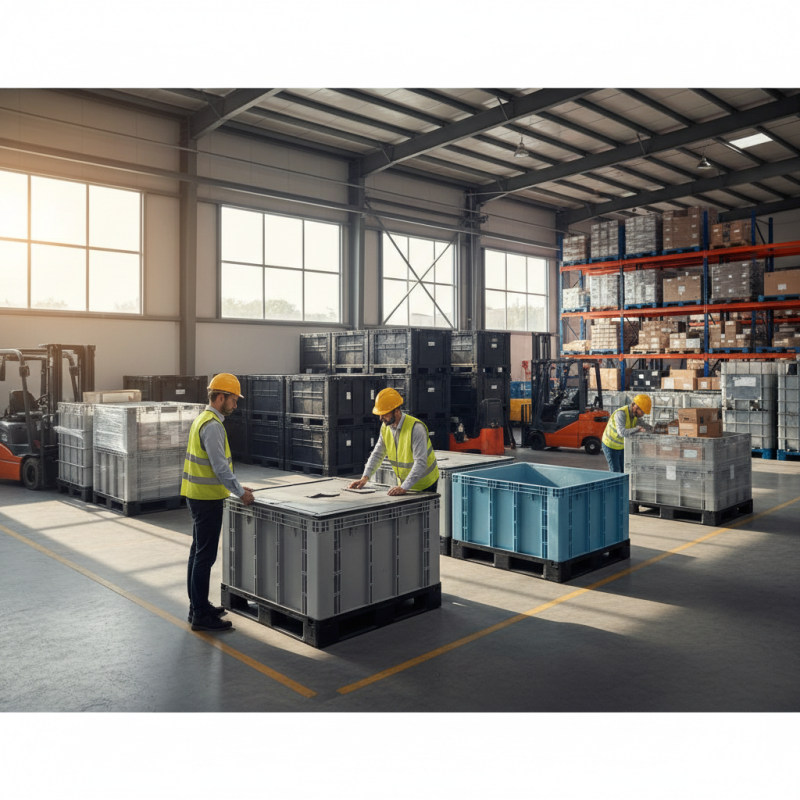
Pallet sleeve containers are versatile and effective for various storage and transportation needs. These containers consist of a rigid base and collapsible sleeves, allowing for easy stacking and space-saving when not in use. Their design is particularly helpful in managing inventory in warehouses and during shipping processes. Businesses often find them useful for heavy items, providing added protection and stability.
When selecting pallet sleeve containers, consider their materials and weight capacity. Many options include durable plastic or cardboard, suitable for different environments. It's important to assess the type of products you intend to store. Some sleeves may not suit fragile items, requiring additional protection. Evaluating your handling procedures is also crucial. Will your team lift these containers manually or use machinery? The answer influences your choice significantly.
Though pallet sleeve containers can enhance operational efficiency, flaws exist. For example, the initial investment can seem high for smaller businesses. Additionally, not all designs are equally robust; some may wear out quicker, impacting reliability. Businesses should weigh these factors before purchasing. The goal is to ensure that your choice aligns with long-term needs and operational goals.
Choosing the right pallet sleeve container can significantly impact your logistics operations. Key factors to consider include material, size, and design. Generally, materials like plastic offer durability while being lightweight. Consider if your products require better insulation or moisture resistance.
Size matters. Ensure the container fits your pallet size and allows easy handling. Measuring the dimensions of your products can prevent costly errors. Pay attention to design elements such as stackability and accessibility. A well-designed container will optimize space and simplify loading and unloading processes.
Lastly, think about your specific needs. If you frequently transport fragile items, investing in reinforced containers may be beneficial. However, have lightweight options for non-fragile goods. Evaluate your inventory regularly to identify any needed adjustments. Remember, constantly reassessing your choices will enhance your operations.
When selecting a pallet sleeve container, the material used plays a crucial role. Common options include
plastic,
cardboard, and
metal. Each material has unique characteristics that affect durability, weight, and cost.
For instance, plastic sleeves are lightweight and resistant to moisture. They tend to be more durable than cardboard, making them suitable for long-term use. However, their initial cost is often higher.
Cardboard sleeves are more economical and recyclable. Yet, they may not hold up well in wet conditions. This means you'll need to consider your storage environment.
Metal containers offer exceptional strength and security but can be heavy and come with a higher price tag.
Tips: Evaluate your shipping frequency. For frequent use, plastic may offer better longevity.
If you prioritize eco-friendliness, lean towards cardboard. Always consider the weight limits of your transport methods as well.
Sometimes, the optimal choice isn't the most expensive one. Reflect on your specific needs before making a decision.
When selecting a pallet sleeve container, size and capacity play vital roles. Industry reports suggest that storage efficiency can increase by up to 30% with the right container dimensions. Consider your products' dimensions first. A well-fitted sleeve can minimize shifting during transport. For instance, if you're storing items up to 48 inches tall, ensure the sleeve accommodates this height comfortably.
Capacity is equally critical. A recent study indicates that about 70% of warehouses miscalculate the required capacity, leading to either overcrowded or underutilized spaces. Understand your inventory turnover rates. Frequent restocking might favor smaller capacities. Conversely, bulk storage solutions are ideal for slow-moving items. Additionally, evaluate how much weight your sleeve must support. Various materials can handle different loads. Choosing an unsuitable option can cause damage and safety hazards.
While knowing the theoretical aspects is essential, practical experience also matters. Measure your space and test different configurations whenever possible. Reflecting on past experiences can offer valuable insights, helping you make more informed decisions for your operations.
| Container Type | Dimensions (L x W x H) | Capacity (Liters) | Weight Capacity (kg) | Material | Best Use Case |
|---|---|---|---|---|---|
| Standard Plastic Sleeve | 1200 x 1000 x 1000 mm | 800 | 500 | Plastic | General Storage |
| Heavy-Duty Sleeve | 1200 x 800 x 1200 mm | 900 | 700 | High-Density Polyethylene | Heavy Equipment |
| Stackable Collapsible Sleeve | 1000 x 800 x 880 mm | 750 | 600 | Polypropylene | Retail Distribution |
| Reinforced Sleeve Container | 1200 x 1000 x 1300 mm | 1000 | 1000 | Steel Frame with Plastic | Automotive Parts |
When choosing pallet sleeve containers, cost-effectiveness is a key factor. Understanding your budget helps narrow options. Evaluate various materials and designs. Each choice influences costs. Plastic sleeves might have a higher upfront cost but offer durability. This can be a long-term investment, reducing replacements over time.
It's essential to analyze your specific needs. Capacity, weight, and storage requirements vary for each business. A smaller container might save money initially but lead to inefficiencies. You may end up stacking items or needing additional containers. This can increase shipping expenses.
Consider the trade-offs in your decision. What works for one operation may not fit another. Sometimes, spending a bit more upfront leads to savings in the long run. Balancing immediate costs with long-term reliability should guide your choice, ensuring your investment pays off.
: Common materials include plastic, cardboard, and metal. Each has distinct characteristics affecting durability and weight.
The size ensures a proper fit for your pallet, preventing shifting and optimizing space during transport.
Plastic is durable but often pricier. Cardboard is economical but less moisture-resistant. Weigh options against your budget.
Choose reinforced containers for fragile goods. Lightweight options work better for non-fragile items.
Assess the dimensions of your products. A fitting sleeve can boost storage efficiency significantly.
Understanding turnover helps determine the suitable capacity for containers, avoiding overcrowding or underuse.
An unsuitable material can lead to damage and safety hazards during transport or storage.
Regularly evaluate your inventory and shipping frequency. This reflection will help you make better choices consistently.
When choosing the best Pallet Sleeve Container for your needs, it's essential to first understand their functionality and diverse applications across various industries. These containers are particularly valued for their versatility in transporting and storing goods while optimizing space. Key factors to consider when selecting a Pallet Sleeve Container include the intended use, durability, and how the container fits into your existing supply chain processes.
Material composition plays a significant role in the performance of Pallet Sleeve Containers; options range from plastic to cardboard, each with different benefits in terms of weight, cost, and environmental impact. Additionally, evaluating the size and capacity requirements specific to your products ensures a perfect fit while maintaining efficiency. Lastly, considering cost-effectiveness and budget constraints will help you make a well-informed decision without compromising on quality or functionality.

Huiyuan Plastic