In the ever-evolving logistics landscape, choosing the right collapsible pallet can significantly impact efficiency and cost. According to Ian Turner, a leading expert in supply chain management, “Selecting the right collapsible pallet is vital for optimizing storage and transport.” These versatile tools are not simply functional; they are essential in maximizing space and minimizing costs.
When evaluating collapsible pallets, consider material, weight capacity, and design. Each detail plays a crucial role in your operational success. For example, a pallet made of durable plastic may outlast wooden alternatives, yielding greater long-term savings. However, users often overlook the pallet's stackability and compatibility with existing systems, which can lead to costly inefficiencies.
Collapsible pallets offer practical solutions, yet they also pose challenges. Buyers must balance weight, durability, and price. There is no one-size-fits-all answer. Each choice requires careful reflection on specific needs and usage conditions. Ultimately, the right collapsible pallet can transform supply chain operations, but choosing wisely demands a thorough understanding of your unique requirements.
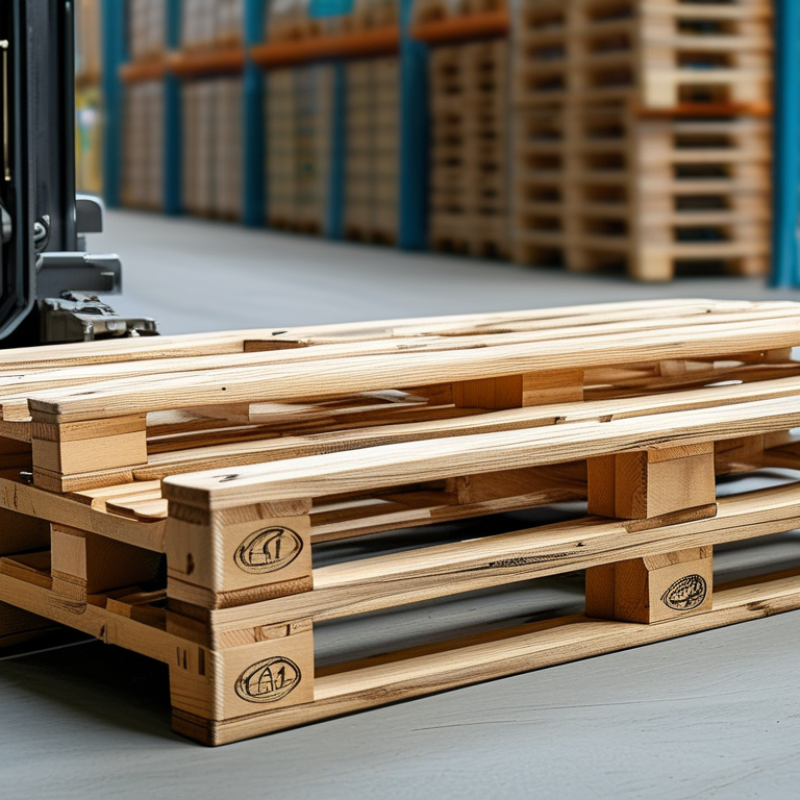
Collapsible pallets are essential for efficient logistics. These pallets optimize storage and transportation. They can save up to 50% of warehouse space when collapsed. That’s significant for companies looking to reduce costs and improve operations. A study by the Logistics Management Association revealed that adopting collapsible pallets reduces damage during transit by 30% compared to standard pallets.
The design of collapsible pallets enhances versatility. They are typically made from durable plastic or lightweight metal. Their ability to fold flat makes them ideal for return trips and reduces empty space. According to industry data, firms using collapsible pallets report a 20% increase in loading efficiency. However, it’s crucial to assess weight capacity and compatibility with existing systems.
Some users find challenges with stability. Not all collapsible pallets provide the same level of durability. Research shows that lower-end models can fail under heavy loads. It’s essential to test pallets before full integration. Balancing cost with performance is key. Investing in quality collapsible pallets may entail higher upfront costs but can yield substantial long-term savings.
When selecting collapsible pallets, understanding the types available can help meet specific needs. There are several designs. For instance, foldable pallets are compact and ideal for efficient shipping. These are popular in industries that prioritize space. They can reduce storage costs significantly. You'll notice these pallets are lightweight yet durable, making them useful for various products.
Another option is stackable pallets. These are perfect for warehouses with vertical storage capabilities. They help maximize space and simplify inventory management. Stacking allows for multiple layers without compromising stability. However, they can be challenging if not loaded properly. Some users face difficulties in balancing weight distribution.
Plastic and wood pallets offer distinct advantages. Plastic pallets resist moisture and chemicals, making them suitable for food and pharmaceutical sectors. Wood pallets are often more affordable but can be prone to wear and tear. Consider the materials and intended use carefully. A well-informed choice can enhance productivity and safety in operations. Reflect on your specific requirements and the trade-offs for sustainable practices.
| Type of Collapsible Pallet | Material | Weight Capacity | Dimensions | Ideal Use Cases |
|---|---|---|---|---|
| Plastic Collapsible Pallet | Plastic | 1200 lbs | 48" x 40" | Food Industry, Pharmaceutical |
| Metal Collapsible Pallet | Steel | 3000 lbs | 48" x 40" | Heavy Equipment, Automotive |
| Wooden Collapsible Pallet | Wood | 1500 lbs | 48" x 40" | Retail, Furniture |
| Composite Collapsible Pallet | Composite Material | 2000 lbs | 48" x 40" | Electronics, Chemicals |
| Foldable Stackable Pallet | Plastic | 1000 lbs | 48" x 48" | Warehousing, Distribution |
When choosing a collapsible pallet, material plays a crucial role in its effectiveness. Consider durability first. Strong materials can resist wear and tear. For instance, some pallets are made from high-density polyethylene. This material is lightweight yet robust. It can withstand heavy loads while being easy to maneuver. However, some may find it less sturdy in extreme conditions.
Weight is another factor that cannot be overlooked. A lightweight pallet eases transport and handling. However, if it is too light, it may not support heavier goods adequately. Balancing these two aspects is key. Analyze your specific needs. Think about the types of items you will transport. Will they be light or heavy?
Cost is often a reflection of quality. Cheaper materials may save money upfront but can lead to increased replacements. Invest wisely. Reading reviews can provide insight into real-world performance. Steer clear of overly optimistic claims. In this market, quality sometimes comes at a price. A well-chosen pallet will serve you reliably over time.
When budgeting for a collapsible pallet, several key factors come into play. Material quality greatly impacts the initial cost. Options range from lightweight plastics to durable metals. Each material serves different needs and has its own price point. Think about how frequently you'll use the pallet and the load it needs to carry. Higher quality materials might cost more upfront but can save money in the long run.
Consider additional features too. Some pallets offer stackability or easy transport options. These features can boost productivity but might come with a higher price tag. Evaluate how often these features will be beneficial in your operations. It’s essential to compare costs versus benefits as not all features will suit your specific situation.
Keep maintenance in mind as well. Cheaper pallets may require more frequent replacement, raising long-term costs. In contrast, investing in robust products can lower your overall expenditure over time. Assess trade-offs carefully and make informed choices. Think about your long-term needs rather than focusing solely on immediate savings.
Maintaining collapsible pallets is crucial for their longevity and efficiency. Research indicates that proper care can extend their lifespan by up to 30%. Regular inspections for wear and tear can help identify minor issues before they escalate. Look for cracks or warping, as these can affect the structural integrity of the pallet. Cleaning is equally important. Accumulated dirt can lead to rapid deterioration, especially in humid environments.
Storage conditions significantly influence the durability of collapsible pallets. Industry data shows that pallets stored in dry, climate-controlled environments last longer than those in fluctuating temperatures. Avoid stacking pallets too high, as this could cause deformation. In addition, consider using protective covers when not in use to shield them from dust and moisture.
It’s essential to follow manufacturer guidelines for load ratings and usage. Overloading can lead to unexpected failures, posing safety risks. By paying attention to these factors, you can maximize the functionality of your pallets. Neglecting maintenance may lead to costly replacements. Being proactive today will save time and resources tomorrow.
: Consider material quality, frequency of use, and load capacity. Higher quality materials may save money long-term.
Features like stackability and easy transport can enhance productivity but may increase initial costs. Evaluate their necessity for your operations.
Proper maintenance can extend pallet lifespan by up to 30%. Regular checks for wear can prevent costly replacements.
Store pallets in dry, climate-controlled environments. Avoid stacking them too high to prevent deformation.
Check for cracks or warping. Clean them to avoid rapid deterioration, especially in humid areas.
Overloading can cause unexpected failures and safety risks. Always follow load ratings and usage guidelines.
Weigh the benefits of higher-maintenance lower-cost pallets against their long-term durability and costs.
Use protective covers to shield them from dust and moisture. This can improve their longevity.
Higher initial costs can lead to savings over time. Consider your long-term needs rather than just immediate costs.
It may lead to costly replacements and downtime. Proactive maintenance saves time and resources in the long run.
In the guide "2026 How to Choose the Best Collapsible Pallet for Your Needs?", readers will gain a comprehensive understanding of collapsible pallets, including their features and benefits. The article outlines various types of collapsible pallets to help users identify which option aligns best with their specific requirements. Key considerations such as material durability and weight factors are discussed to ensure optimal performance.
Furthermore, the guide provides a thorough cost analysis to assist in effective budgeting for purchasing an ideal collapsible pallet. Finally, it includes practical maintenance and storage tips aimed at enhancing the longevity and efficiency of the pallets. Overall, this article serves as an essential resource for anyone looking to make informed decisions regarding collapsible pallets.

Huiyuan Plastic