What is a Pallets Container and How to Choose One?

Time:2026-05-11 Author:Oliver
0%

In the logistics and transportation industry, the term "Pallets Container" is crucial. Expert John Richards, a leading authority in supply chain management, once stated, "Choosing the right pallets container can make or break your efficiency." This insight highlights the importance of selecting the ideal container for specific needs.

Pallets containers serve as essential tools for storing, shipping, and handling goods. They come in various sizes and materials, each tailored for different applications. Understanding these options is key. For instance, wooden pallets provide durability for heavy loads, while plastic containers offer better resistance to moisture. However, not all pallets containers are created equal. Selecting the wrong type can lead to increased costs and damaged products.

When considering a pallets container, factors such as load capacity, environmental conditions, and type of cargo are vital. This decision process may feel overwhelming at times. It requires careful thought and insight into operational needs. Ensuring that the right pallets container is chosen can improve efficiency, but it takes effort and awareness of potential pitfalls. Ultimately, the goal is always to enhance productivity in the supply chain.
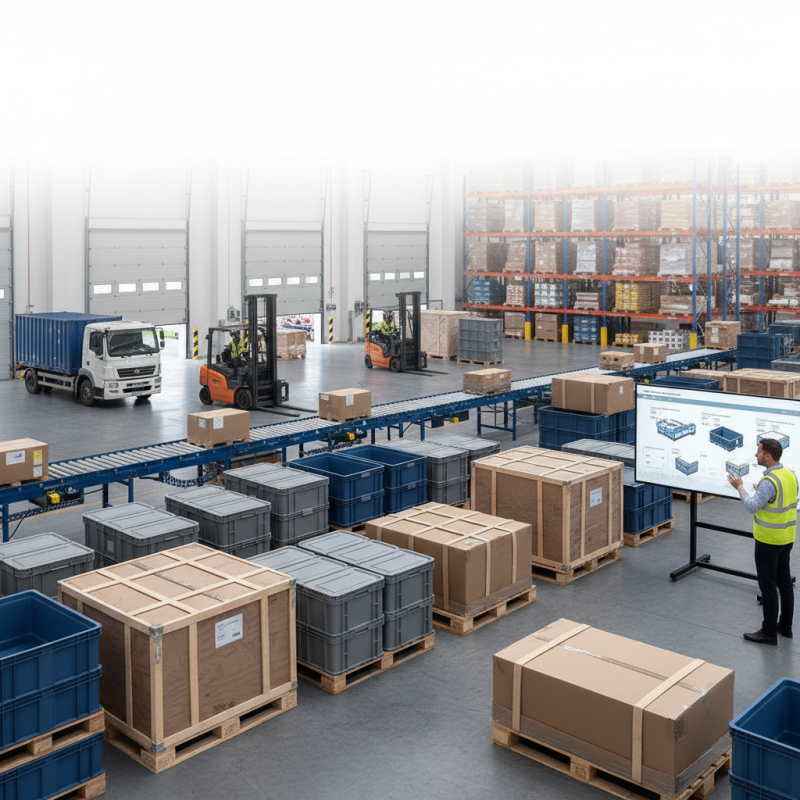
What is a Pallets Container and How to Choose One?

Definition of a Pallets Container and Its Uses

A pallet container is a versatile storage solution widely used in various industries. It serves as a crucial tool for transporting goods safely and efficiently. According to a report by MarketsandMarkets, the pallet container market is projected to reach $20.36 billion by 2025, reflecting a growing demand for efficient logistics and sustainability in supply chains.

Pallet containers come in various materials, including plastic, wood, and metal. Plastic pallet containers are notable for their durability and resistance to moisture, making them ideal for food and pharmaceutical sectors. Wood pallet containers have long been the industry standard due to their strength and affordability. Metal options, while more expensive, offer unmatched durability in hazardous environments. Each type has its unique set of advantages and considerations based on the specific needs of the industry.

The choice of a pallet container largely depends on the nature of the goods being transported. Factors such as weight, susceptibility to damage, and environmental conditions should be considered. Additionally, the availability of standardized sizes can lead to better space optimization during shipping. As industries evolve, so will the design and material of pallet containers, creating new challenges and opportunities for selection in logistics management.

What is a Pallets Container and How to Choose One?

Feature Description
Material Wood, Plastic, Metal, Cardboard
Standard Sizes 1200mm x 1000mm, 1200mm x 800mm, 48" x 40"
Weight Capacity Up to 2,500 kg depending on the material
Uses Shipping, storage, material handling
Lifespan Plastic: 5-10 years, Wood: 2-5 years, Metal: 10+ years
Recyclability Wood and plastic can be recycled; metal is highly recyclable
Stackability Yes, good for space-saving during storage
Cost Varies greatly by material and size; typically $10 to $50 each

Types of Pallets Containers Available in the Market

Pallets containers are vital for efficient transportation and storage. They come in various types, each designed for specific needs. Common types include wooden, plastic, and metal pallets. Wooden pallets are durable and widely used. They are cost-effective but may be prone to splinters and require proper maintenance.

Plastic pallets offer a lightweight and moisture-resistant alternative. They are easier to clean but may have a higher initial cost. Metal pallets are sturdy and suitable for heavy loads. However, they can be less versatile and more challenging to handle. Each type has distinct advantages based on your operational requirements.

**Tips:** When selecting a pallet container, consider your load's weight and dimensions. Specific tasks may require custom solutions. It’s essential to assess the storage conditions, such as humidity and temperature. Proper selection can ensure safety and efficiency in your supply chain. Regularly reevaluate your choice; needs may change over time.

Factors to Consider When Choosing a Pallets Container

When selecting a pallets container, several factors come into play that require thoughtful consideration. The size of the container is crucial. According to logistics analysis from industry reports, choosing the right dimensions can improve storage efficiency by up to 30%. It's essential to match container size to your products. Oversized containers can lead to wasted space and increased costs.

The material of the pallets container significantly affects cargo safety. Wooden containers are often less durable, while plastic and metal options can provide better protection. This is particularly important in industries requiring adherence to strict hygiene standards, like pharmaceuticals. Around 40% of shipments face delays due to improper packaging, suggesting that a reliable, durable container is vital.

Weight capacity also matters. An estimated 25% of shipping errors arise from containers being overloaded. Containers that can't support the weight will lead to damage. Therefore, understanding the load specifications is essential. Aligning payload capacity with operational needs can prevent loss and maintain efficiency. Always analyze your unique logistical requirements before making a choice.

Benefits of Using Pallets Containers for Storage and Transport

Pallet containers play a vital role in storage and transportation. They offer numerous benefits that can significantly enhance efficiency. These containers come in various sizes and materials, allowing businesses to choose what best suits their needs. Their sturdy design ensures that goods are protected during transit. This protects against damage, saving costs on replacements.

Using pallet containers also maximizes space. They can be stacked easily, making them ideal for warehouse organization. This efficient use of space often leads to reduced storage costs. Moreover, they simplify loading and unloading processes. Workers can handle multiple items at once, speeding up operations.

However, selecting the right pallet container isn't always straightforward. Consider the type of products being stored. If they are fragile, choose containers with extra padding. The environment is also crucial. For outdoor storage, weather-resistant materials are necessary. Reflecting on your specific needs helps ensure you choose the best option. This thoughtful approach can lead to long-term benefits, making pallet containers a worthwhile investment.

Best Practices for Maintaining and Storing Pallets Containers

Pallets containers are essential in modern supply chains. Proper maintenance and storage greatly influence their longevity and performance. According to industry studies, well-maintained pallets can last up to 10 years, while neglected ones may require replacement in just two years. Regular inspections for cracks and splinters can enhance safety and effectiveness.

It is advisable to store pallets indoors. This prevents exposure to moisture and pests, which can lead to deterioration. Data indicates that pallets stored in climate-controlled environments have a 25% longer lifespan. Placement is also crucial. Avoid stacking pallets excessively. Overloading can lead to bending or breaking, which compromises structural integrity. Keeping them organized reduces risk and improves accessibility.

The cleaning process is often overlooked. A thorough cleaning routine removes debris that can harbor bacteria and fungi. Research shows that up to 30% of pallets can become contaminated if not cleaned regularly. When transporting, use designated pathways to avoid damage. Noticeable wear can signal the need for replacements. Adjusting practices based on wear patterns is crucial for efficient operations.

FAQS

: What are the benefits of using pallet containers?

: Pallet containers enhance storage and transport efficiency. They protect goods and reduce costs on replacements.

How do pallet containers save space?

They are stackable, making warehouse organization easier. This efficient use of space can lower storage costs.

What should I consider when selecting pallet containers?

Think about the type of products. Fragile items need containers with extra padding for better protection.

Why is maintenance important for pallet containers?

Good maintenance can extend the lifespan of pallets up to 10 years. Neglected pallets may need replacement sooner.

How can I store pallet containers effectively?

Store them indoors to avoid moisture and pests. Climate-controlled areas can increase their lifespan significantly.

What cleaning habits should I adopt for pallet containers?

Regular cleaning removes debris and prevents contamination. Up to 30% of pallets can become contaminated if neglected.

How do I recognize when to replace pallet containers?

Noticeable wear or damage signals it's time for replacements. Adjust practices based on wear patterns for better efficiency.

Is there a way to avoid damaging pallets during transport?

Use designated pathways when transporting. This practice can help maintain their integrity and prolong their use.

Can I stack pallet containers for storage?

Yes, but avoid excessive stacking. Overloading can lead to bending or breaking, compromising their structure.

What does proper organization of pallets achieve?

Keeping pallets organized reduces risk and improves accessibility. It also helps in maintaining workplace safety.

Conclusion

A Pallets Container is a versatile storage solution designed to facilitate the efficient transport and organization of goods. These containers come in various types, each suited for specific uses, from standard freight to specialized needs. When selecting a Pallets Container, it's important to consider factors such as material, size, weight capacity, and environmental conditions to ensure optimal performance.

The benefits of using Pallets Containers are numerous, including improved inventory management, increased safety during transport, and enhanced protection of goods. To maintain their longevity and effectiveness, best practices for storing and handling Pallets Containers should be followed, such as regular inspections and proper cleaning methods. By understanding the various types and considerations, businesses can make informed choices that enhance their operational efficiency.


Oliver

Oliver

Oliver is a seasoned marketing professional with a wealth of expertise in driving brand awareness and engagement. With a deep understanding of our company's product offerings, he consistently delivers high-quality content that enriches our professional blog. His insights not only shed light on......