Sleeve Pallets are reusable or recyclable load-carrier systems designed to hold products securely during storage and transport. They usually combine a pallet base, a vertical sleeve, and a removable top board or lid. The sleeve surrounds the goods like a strong open-sided box. It helps prevent shifting, crushing, and accidental contact with nearby loads.
The system works through simple, coordinated parts. Workers place products on the pallet base, then unfold or position the sleeve around them. Additional layers may be added when the packaging design allows it. A lid can improve stability before strapping, wrapping, or stacking. When the shipment arrives, the sleeve can be removed, folded, and returned for another cycle. This reduces empty transport space, although the result depends on the sleeve material and return process.
The term can be slightly confusing.
Some suppliers use it for corrugated sleeves, while others describe plastic or timber-based systems. That difference matters. A warehouse manager should check load capacity, sleeve height, moisture resistance, ventilation, and handling equipment before choosing a design. In practical use, operators also need clear folding instructions and regular inspections. A torn corner or weakened base may not be visible until the load moves. Reliable performance comes from matching the pallet system to the product, route, and storage conditions. This guide explains how Sleeve Pallets are built, how they work, and where their benefits may become less certain. Real-world testing remains important, because packaging that performs well in one warehouse may need changes elsewhere.
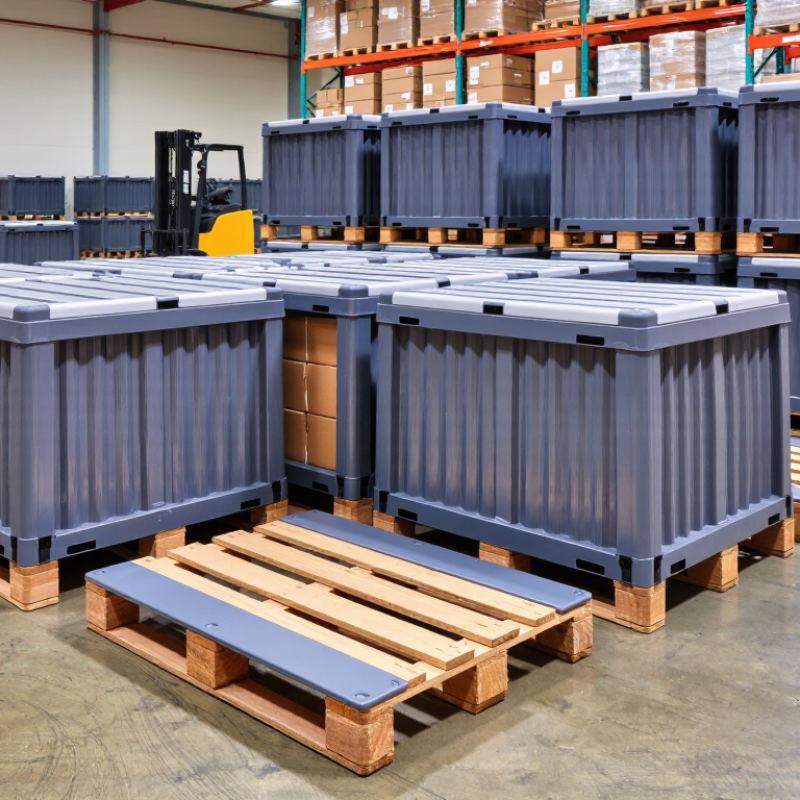
Sleeve pallets are load platforms designed to work with protective sleeves. A sleeve is a rigid, reusable enclosure placed around the pallet base. It usually has side walls, corner supports, and a top cover. The pallet supports the load from below. The sleeve controls movement around it. Together, these parts create a stable handling unit for storage and transport.
The basic structure includes deck boards, runners, entry openings, and a sleeve frame. Forklift tines enter through the openings beneath the deck. When the pallet moves, the sleeve helps prevent cartons from shifting sideways. Some designs include removable panels or foldable sections. These features can reduce empty-return volume. In warehouse inspections, small gaps between the sleeve and load often reveal poor sizing. A sleeve pallet is not automatically stronger. Its performance depends on weight distribution, sleeve fit, and careful handling.
Tips: Match the sleeve height to the product before loading. Keep heavy items low and centered. Check the deck for cracked boards or loose fasteners. Do not assume every sleeve protects against moisture; many only provide physical containment. Leave enough clearance for forklift entry. Test one loaded unit before changing an entire storage system. The process may feel straightforward, but real loads can behave differently than sample measurements.
Sleeve pallets are load platforms designed to support goods while allowing sleeves to slide around or between the pallet base. The sleeve adds vertical protection and helps stabilize stacked products during handling. A typical system includes a pallet deck, support blocks, corner posts, and a removable sleeve. When assembled, these parts create a temporary container with a strong base.
The pallet base is often made from wood, recycled plastic, or composite material. Wood is practical and easy to repair, but moisture can weaken it. Plastic resists water and offers consistent dimensions. It may cost more. Sleeves commonly use corrugated fiberboard, solid paperboard, or flexible plastic sheets. Corrugated board is lightweight and recyclable, while plastic sleeves provide better moisture resistance. Fasteners, hinges, edge protectors, and locking tabs also matter. Small parts can affect the whole load.
Tips: Match the sleeve height to the product, not merely the pallet size. Check the base for cracks, loose blocks, or warped edges before loading. Keep heavy items centered and avoid sharp corners touching the sleeve. In practice, no design is perfect. A thicker sleeve may improve protection but reduce storage efficiency. Test the complete pallet under real handling conditions. That simple step often reveals weaknesses that specifications miss.
Sleeve pallets are designed to move loads through reinforced openings, called sleeves, rather than relying only on a traditional pallet deck. During handling, forklift forks enter these sleeves from the correct direction. The forks then lift both the pallet and its load as one unit. The fit matters. A small mismatch between fork spacing and sleeve width can delay loading or damage the pallet.
In a working warehouse, operators place cartons, drums, or bundled materials on the sleeve pallet. Stretch film, edge protection, or straps may be added when the load shifts easily. The forklift approaches slowly, keeps the forks level, and enters fully before lifting. This reduces tilting and protects the lower packaging. Once raised, the load can move to storage racks, trailers, or staging areas. Sleeve pallets are especially useful when loads need extra clearance or repeated access from one direction.
Practical control is essential. Workers should check sleeve openings for cracks, crushed edges, and loose boards before every shift. A damaged sleeve can fail under weight, even when the top surface looks normal. Load capacity also depends on weight distribution, fork length, and floor conditions. In practice, the method is not foolproof. Operators sometimes focus on the load and overlook the pallet itself. Clear markings and brief handling training can prevent that mistake. Regular inspections remain necessary, because warehouse conditions change faster than written procedures.
| Data Dimension | Typical Information | How It Works in Material Handling |
|---|---|---|
| Basic definition | A sleeve pallet is a reusable or disposable pallet system that combines a pallet base with a collapsible sleeve or sleeve wall. | The pallet supports the load from below, while the sleeve surrounds and stabilizes the products during handling and transport. |
| Main components | Pallet base, corrugated or plastic sleeve, optional lid, and optional intermediate layers or separators. | Components are assembled around the load to create a contained unit that can be moved as one package. |
| Common pallet footprints | 48 × 40 in (1,219 × 1,016 mm), 42 × 42 in (1,067 × 1,067 mm), 1,200 × 800 mm, and 1,200 × 1,000 mm are widely used formats. | The footprint should match the warehouse equipment, storage locations, vehicle deck, and product dimensions. |
| Sleeve height | Common sleeve heights are approximately 400–1,200 mm, although custom heights are available for specific loads. | The sleeve height is selected to contain the product while allowing safe loading, unloading, and access by material-handling equipment. |
| Sleeve materials | Corrugated fiberboard, reusable plastic, or other engineered sheet materials. | Material selection depends on load weight, moisture exposure, return logistics, hygiene requirements, and the expected number of reuse cycles. |
| Loading sequence | The sleeve is positioned on the pallet, products are loaded inside, and a lid or top restraint may be added. | The sleeve helps maintain product alignment and reduces the need for separate stretch film or strapping in some applications. |
| Forklift and pallet-jack access | Access depends mainly on the pallet base design, including entry openings and clearance. | Forklifts and pallet jacks engage the base rather than the sleeve, so the sleeve must not obstruct the fork-entry areas. |
| Load stability | The sleeve provides side containment; the pallet base provides bottom support. Internal separators may improve stability. | The combined structure helps limit shifting, leaning, and product damage during lifting, storage, and vehicle movement. |
| Typical applications | Automotive parts, packaged food, beverage containers, industrial components, electronics, and returnable distribution systems. | Sleeve pallets are useful when products need protection, separation, containment, or efficient return packaging. |
| Storage efficiency | Empty sleeves can usually be folded or nested, depending on the design and material. | Collapsibility reduces the space required for empty packaging during return transport and warehouse storage. |
| Protection level | Provides better side protection than an uncovered pallet, but protection varies with sleeve strength and load configuration. | The sleeve can reduce contact with adjacent loads and help protect products from impact, abrasion, and minor shifting. |
| Reusable versus disposable | Reusable systems are designed for multiple trips; disposable sleeves are generally used for one-way distribution. | Reusable systems require reverse logistics and inspection, while disposable systems simplify recovery but generate more packaging waste. |
| Moisture resistance | Plastic sleeves generally tolerate moisture better than untreated corrugated sleeves. | For humid, chilled, or outdoor conditions, the sleeve and pallet materials should be selected for the expected exposure. |
| Safety considerations | The load should remain within the pallet footprint, stay below the approved height, and be evenly distributed. | Correct loading reduces the risk of tipping, sleeve collapse, product damage, and unsafe forklift handling. |
| End-of-life handling | Corrugated sleeves can often enter paper recycling streams, while plastic sleeves may be recyclable according to local facilities and material type. | Separating the sleeve, pallet, and accessory materials supports reuse, repair, recycling, or responsible disposal. |
Note: Dimensions, materials, load limits, and reuse cycles vary by sleeve-pallet design and application. Always verify specifications with the applicable handling, storage, and transport requirements.
Sleeve pallets combine a flat pallet base with a removable, collapsible sleeve and often a lid.
The sleeve forms rigid walls around cartons, parts, or produce during movement. When empty, operators fold it flat, saving storage space and reducing return-transport volume. Common designs include two-way-entry and four-way-entry pallets. Two-way versions suit dedicated handling routes, while four-way models allow access from more sides. That difference matters when forklifts approach crowded racks.
Sleeves may use corrugated fiberboard, molded plastic, or durable composite panels. Material choice depends on load weight, moisture, cleaning needs, and return cycles.
Fiberboard sleeves work well for lighter goods, seasonal shipments, and one-way distribution. They are easy to print, cut, and recycle where local facilities accept them. Reusable plastic sleeves fit closed-loop operations, including automotive components, appliances, and warehouse transfers. They tolerate repeated handling, but dirt, cracks, and warped edges need inspection.
Rigid sleeves protect delicate loads better than open pallets, especially when cartons might shift during braking. Produce and food packaging can benefit from washable surfaces, though drainage and hygiene procedures must be verified.
In practice, sleeve pallets are not automatically cheaper. A lightweight sleeve may save freight space but fail under sharp corners or uneven stacking. I would test the complete unit with the actual load and handling equipment. Small trials often reveal awkward folding, poor visibility, or unstable stacking before these issues spread across a warehouse.
What Are Sleeve Pallets and How Do They Work?
Sleeve pallets combine a flat pallet base, a collapsible sleeve, and sometimes a top lid. The sleeve folds around the load, creating a lightweight container. Operators place products on the base, unfold the sleeve, and secure the lid before moving the unit. Forklifts handle it like a standard pallet. When empty, the sleeve folds flat, reducing return-transport volume.
The main benefit is space efficiency. A sleeve pallet can protect irregular goods better than stretch film alone. It may also reduce packaging waste and improve warehouse organization. However, it is not automatically the best choice. Sleeves can tear, shift, or lose shape when loads are uneven. Moisture, sharp edges, and repeated folding may shorten service life. Loading errors remain possible. A damaged base can also compromise the entire unit.
Selection should begin with actual operating conditions, not only the advertised load rating. Check product weight, center of gravity, pallet dimensions, stacking height, and forklift entry points. Consider whether the sleeve needs ventilation, moisture resistance, or easy cleaning. Test a loaded sample through storage, transport, and unloading before committing to large quantities.
Tips: Use corner protection for sharp products. Train workers to align the sleeve with the base. Inspect folds, seams, and locking points regularly. Record failures honestly; small handling issues often reveal bigger design weaknesses.
Common pallet footprints used with removable sleeves, shown in millimeters
A sleeve pallet combines a reusable pallet base, a folding vertical sleeve, and an optional lid. The sleeve is placed into the pallet grooves to create a stable loading space and can be folded flat when empty.
Removable sleeves improve product containment, reduce empty-return volume, support reuse, and allow access from the top after the lid is removed.
Select the footprint to match warehouse equipment, transport vehicles, and product dimensions. Confirm sleeve height, load capacity, stacking stability, hygiene requirements, and compatibility with forklifts or pallet jacks.
Reference footprints: ISO 1200 × 1000 mm, Euro 1200 × 800 mm, and North American 48 × 40 in, equivalent to approximately 1219 × 1016 mm. Sleeve height and load capacity vary by design and application.
A typical unit includes a pallet base, support blocks, corner posts, and a removable sleeve. Small parts matter. Fasteners, hinges, edge protectors, and locking tabs can affect stability.
Bases often use wood, recycled plastic, or composite materials. Sleeves may use corrugated fiberboard, solid paperboard, or flexible plastic sheets. Wood repairs easily but may weaken when exposed to moisture. Plastic resists water but can cost more.
Forklift forks enter reinforced sleeve openings from the correct direction. The forks lift the pallet and load together. Operators should keep forks level and enter them fully. A small spacing mismatch can cause delays or damage.
Check for cracked sleeves, crushed edges, loose blocks, warped boards, and damaged corners. Inspect the lower structure, not only the top deck. A damaged sleeve may fail under weight. Written procedures can miss changing warehouse conditions.
Match sleeve height to the product, not just the pallet dimensions. Keep heavy items centered and distribute weight evenly. Prevent sharp corners from touching the sleeve. Use straps, stretch film, or edge protection when cartons may shift.
Two-way-entry pallets suit fixed handling routes with predictable forklift access. Four-way-entry pallets allow approach from more sides. That flexibility helps near crowded storage racks. The wrong design may create awkward handling.
Fiberboard sleeves suit lighter goods, seasonal shipments, and one-way distribution. They are lightweight and recyclable where local facilities accept them. Reusable plastic sleeves suit repeated warehouse transfers and heavier handling. Plastic needs checks for dirt, cracks, and warped edges.
Yes, removable sleeves can fold flat when empty. This may reduce storage volume and return-transport space. However, folding may be awkward in practice. Test it.
Test the complete unit with the actual load, forklift, and handling route. Observe braking, lifting, stacking, visibility, and sleeve folding. A thicker sleeve may protect better but reduce storage efficiency. No design is perfect.
Sleeve Pallets are reusable material-handling platforms designed to support, protect, and organize goods during storage and transportation. Their basic structure typically combines a durable pallet base with removable or foldable sleeves that create vertical walls around the load. Key components may include a wooden, plastic, or metal pallet, reinforced sleeves, hinges or locking points, and optional covers or dividers. The materials selected influence the pallet’s strength, weight, cleanliness, weather resistance, and service life.
In operation, goods are placed on the pallet, while the sleeves help contain the load, reduce shifting, and allow safer stacking. When empty, the sleeves can often be folded or removed to save return-transport and storage space. Common types include rigid, collapsible, lightweight, and heavy-duty designs, used in manufacturing, warehousing, agriculture, and distribution. Their benefits include improved load protection, efficient space utilization, reusability, and easier handling. However, users should consider initial cost, cleaning requirements, load capacity, compatibility with equipment, and the working environment before selecting a suitable Sleeve Pallets system.

Huiyuan Plastic