Choosing the right Stackable Pallet Boxes can shape storage, transport, and handling costs across an entire supply chain. A box that looks sturdy in a product photo may flex under a heavy load, waste space on a truck, or prove awkward beside a forklift. Small details matter: corner posts, base design, wall thickness, lid fit, and access openings. So does the working environment. A cold warehouse, frequent washdowns, or repeated returns can change what “durable” means.
A practical reminder for this guide comes from a clearly fictional industry voice, packaging engineer Elena Morris: “A good box stacks safely, moves cleanly, and fits the return loop.” This is an editorial line, not a sourced quotation. It points buyers toward the questions behind a product ranking: What load will each box carry? How high will units stack? Will empty boxes nest or fold? Can workers inspect, clean, and handle them without slowing the shift? There is no universal winner.
This Top 10 overview compares Stackable Pallet Boxes by useful buying criteria, including capacity, footprint, material, access, and return efficiency. Expect trade-offs. A larger model may reduce unit counts but occupy more floor space. A reinforced base may improve support, yet add weight. Check product specifications against real operating conditions, and confirm stacking limits with the supplier. A catalogue number alone is not enough. The best choice is the one that performs reliably in your own workflow—not merely the one with the longest feature list.
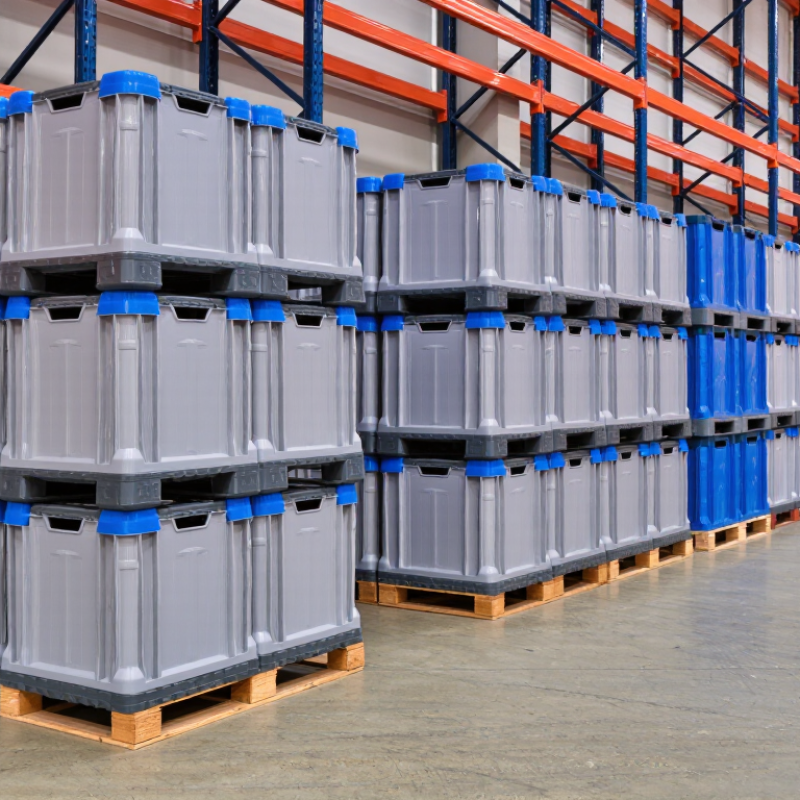
Stackable pallet boxes are large reusable containers built around a pallet-style base and rigid walls. They hold loose or grouped goods while allowing forklifts or pallet jacks to move the full unit. Simple idea. When one box sits on another, molded feet, corner posts, or reinforced edges help keep the upper unit aligned. The load should transfer through these stronger points, not through fragile contents or unsupported wall panels. Depending on the design, empty boxes may fold or nest, but not every model does.
During use, workers place a stable, evenly spread load inside, secure the box, and stack units on a level surface. The bottom box carries the weight above it, so its rated capacity and condition matter more than appearance. Check stacking and handling limits, especially after impact, prolonged storage, or exposure to heat and sunlight. A box can look sturdy and still be weakened. Keep stacks square, avoid overhang, and leave clear access for handling equipment. It is tempting to treat stacking as a simple height calculation, but real loads rarely sit perfectly. Uneven goods can shift, even inside a rigid container. Testing a sample stack with the actual product and handling route can reveal problems early.
Stackable pallet boxes combine a pallet-style base with rigid or flexible sides to contain bulk goods and allow vertical storage. Dimensions below are indicative external ranges in millimetres, not universal standards; actual sizes, payload ratings and safe stacking limits vary by design and supplier. Confirm loaded-stack limits, handling method and compatibility before use.
| No. | Pallet Box Type | Typical Footprint (L × W) | Typical Height | How It Stacks | Common Applications |
|---|---|---|---|---|---|
| 1 | Rigid plastic pallet box | Approx. 1,200 × 1,000 mm | Approx. 760–1,000 mm | Reinforced corners or stacking rims align boxes vertically; some designs accept a lid. | Reusable distribution, food processing and general industrial handling. |
| 2 | Euro-footprint plastic pallet box | Approx. 1,200 × 800 mm | Approx. 750–1,000 mm | Stacking features on the base and rim help keep matching units aligned. | Warehouses and transport systems designed around the common 1,200 × 800 mm footprint. |
| 3 | Collapsible plastic pallet box | Approx. 1,200 × 1,000 mm | Approx. 800–1,000 mm when erected | Rigid base and lid support stacking when assembled; hinged or folding walls reduce return-trip volume. | Closed-loop logistics, automotive parts and operations with frequent empty returns. |
| 4 | Nestable pallet box | Approx. 1,200 × 1,000 mm | Approx. 700–1,000 mm | Loaded units stack on their rims; empty units nest inside one another when the design permits. | Seasonal storage and supply chains where saving space on empty transport matters. |
| 5 | Ventilated plastic pallet box | Approx. 1,200 × 1,000 mm | Approx. 760–1,000 mm | Reinforced corners or stacking rims carry the load; perforated walls allow airflow. | Produce, fresh goods and other products that benefit from ventilation. |
| 6 | Solid-wall plastic pallet box | Approx. 1,200 × 1,000 mm | Approx. 760–1,000 mm | Closed walls contain small or loose contents; stacking relies on designed corner posts or rims. | Parts, powders in suitable liners, and goods that need protection from side access. |
| 7 | Steel pallet box | Approx. 1,200 × 800–1,200 mm | Approx. 600–1,000 mm | Welded or formed steel frames transfer vertical loads through structural posts; some models fold. | Heavy industrial components, metal parts and demanding reusable handling cycles. |
| 8 | Wire-mesh pallet box | Approx. 1,200 × 800–1,200 mm | Approx. 600–1,000 mm | Mesh panels and corner posts provide containment and support; compatible units stack on their frames. | Visible, durable storage of machine parts and other non-fragile industrial goods. |
| 9 | Pallet box with removable sleeve | Approx. 1,200 × 800–1,200 mm | Approx. 700–1,200 mm, depending on sleeve | A pallet base, rigid lid and sleeve form the container; stacking is based on the matching base-and-lid design. | Large or awkward loads, packaging return loops and applications needing quick access. |
| 10 | Insulated pallet box | Approx. 1,200 × 1,000 mm | Approx. 800–1,200 mm | Insulated panels fit into a structural base; only stack units as directed for the specific panel and frame system. | Temperature-sensitive products during storage or transport; insulation alone does not actively refrigerate contents. |
It is a reusable container with a pallet-style base and rigid walls. Forklifts or pallet jacks move it as one unit.
Molded feet, corner posts, or reinforced edges help align the upper box. Weight should pass through these stronger points, not fragile goods.
Check the box condition, load ratings, and permitted stack height. Keep stacks square on a level surface, with goods spread evenly. Small shifts matter.
Solid walls enclose goods, while ventilated walls allow airflow. Folding or nestable designs save return-trip space. The best choice depends on the load.
Measure the pallet footprint, internal dimensions, and narrowest aisle. Confirm fork entry and usable capacity. Listed capacity may not equal usable space.
They can reduce empty storage volume, but setup takes time and hinges may need attention. Not always.
A trial with actual goods can reveal awkward fork access or shifting on an uneven floor. I might overlook that on a specification sheet.
Check them after impacts, prolonged storage, or exposure to heat and sunlight. A sturdy appearance can be misleading. Condition matters more than looks.
This guide explores how Stackable Pallet Boxes are designed to store, handle, and transport goods efficiently, with an emphasis on how their structure supports safe stacking and practical warehouse use. It explains the roles of common materials, box designs, reinforced bases, and load-bearing features, helping readers understand which characteristics matter for durability, capacity, and ease of handling.
The article also compares ten pallet box types by their construction and operational advantages, then considers how shipping conditions, recognized industry standards, and supplier capabilities affect purchasing decisions. By connecting these factors to the needs of different industries and workflows, the guide offers a clear framework for choosing a pallet box that fits a buyer’s storage, transport, and handling requirements.

 Huiyuan Plastic