The demand for Pallet Containers is on the rise. As global trade continues to expand, companies seek efficient and sustainable packaging solutions. Experts emphasize the importance of selecting the right container for logistics. John Smith, a leading authority in the Pallet Containers industry, states, "Choosing the right Pallet Container can significantly reduce shipping costs and improve overall efficiency."
By 2026, buyers will encounter a variety of options. Many designs focus on durability, stackability, and recyclability. Current trends show a shift toward eco-friendly materials. Manufacturers strive to meet the increasing demand for sustainable solutions. However, not all providers offer quality products. Buyers must conduct thorough research to ensure reliability.
The reality is that many overlook the significance of proper container choice. This mistake can lead to lost revenue and wasted resources. With our guide, global buyers will navigate the best Pallet Containers available in the market. Each option has unique features and benefits. Decision-making becomes critical as businesses aim for operational excellence.
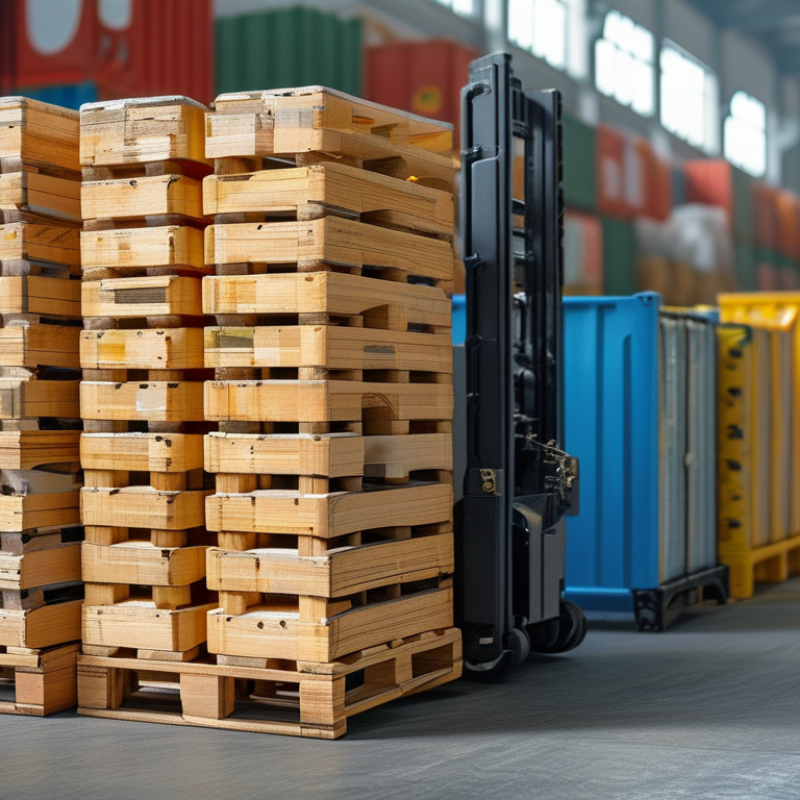
As global trade expands, pallet containers are evolving to meet diverse buyer needs. In 2026, one significant trend is sustainability. According to a recent industry report, 68% of companies are prioritizing eco-friendly materials in their logistics operations. Biodegradable and recyclable options in pallet containers will likely gain traction among buyers who care about environmental impact.
Another trend is the use of smart technology in pallet containers. IoT-enabled features provide real-time tracking and data analytics, improving efficiency. Studies show that such innovations can enhance productivity by up to 25%. Integrating these technologies will be crucial for businesses aiming to streamline their supply chains while reducing costs.
**Tips:** Prioritize suppliers who offer sustainable options. Evaluate how technology can enhance your operations. Regularly reassess your sourcing strategies, as the market is continuously changing. These considerations can significantly influence your investment in pallet containers.
This chart represents the anticipated market share of different types of pallet containers in 2026, illustrating the trends that global buyers are likely to follow.
When looking for pallet containers in 2026, focus on durability and material quality. Containers made of high-density polyethylene or metal offer better strength. Lightweight containers can help reduce shipping costs. Yet, be careful; too much focus on lightweight might compromise durability.
Consider container size options. Ideal dimensions will depend on the products being transported. Standard sizes may simplify storage and handling. However, custom sizes should not be overlooked if they improve efficiency. It’s a balance worth exploring.
Here are some tips: Always check the container's load capacity to ensure it meets your needs. Look for features like stackability and compatibility with existing logistics systems. Also, think about accessibility; easy-to-open designs can save time during operations.
In recent years, sustainable materials have gained importance in pallet container design. As global buyers become more environmentally conscious, the demand for eco-friendly options is rising. Reports indicate that the market for sustainable pallet containers is projected to grow by 10% annually through 2026. This trend reflects a shift towards using recycled plastics and sustainably sourced wood.
Innovative designs that incorporate biodegradable materials are emerging. For example, companies are exploring mycelium-based composites and other natural fibers. These materials not only reduce waste but also have a lower carbon footprint. However, challenges remain. The performance of these new materials must be tested against traditional options. Ensuring durability while remaining sustainable is a significant hurdle.
Logistics professionals are tasked with balancing cost and sustainability. The initial investment in green materials can be higher. Yet, over time, savings may offset these costs. The challenge lies in educating stakeholders on the long-term benefits of sustainable practices. It’s crucial to address concerns about efficiency and reliability in supply chains while moving toward greener alternatives.
The global pallet container market is poised for significant growth. By 2026, the demand for these containers is projected to reach $12 billion. Key regions such as North America and Asia-Pacific are leading in consumption. In the North American market, factors like e-commerce growth drive the need for efficient logistics solutions. The Asian market benefits from rapid industrialization and expanding manufacturing sectors.
In Europe, sustainability is affecting consumer behavior. A report by Smithers noted that 78% of buyers prefer eco-friendly materials. This shift impacts how pallet containers are produced and recycled. Some regions face challenges adapting to these preferences. Not all suppliers are equipped to meet the demand for sustainable options.
Emerging markets also spotlight opportunities and challenges. For instance, Africa's growth trajectory is promising, yet infrastructure limitations hinder progress. Quality standards vary greatly across regions. Global buyers must navigate these inconsistencies. Proactive strategies are necessary to ensure quality and efficiency. It's crucial for stakeholders to collaborate to enhance standards and streamline logistics.
In 2026, pallet container technology is expected to undergo significant innovations. Companies are increasingly focusing on sustainability. Reports indicate that the market for eco-friendly containers is projected to grow by over 15% annually. This shift is driven by the demand for recyclable materials and circular economy practices. Lightweight materials like advanced composites will be more prevalent, enhancing transport efficiency.
Smart technology integration is another anticipated trend. Sensors embedded in pallet containers will provide real-time tracking. This data can improve supply chain transparency. A study shows that companies using smart pallets reduce inventory discrepancies by up to 30%. Additionally, automation in the handling of these containers could increase productivity in warehouses.
Tip: When selecting pallet containers, consider the long-term environmental impact. Check for certifications related to sustainability.
Not all innovations will be without challenges. The transition to smart pallets can be costly. Initial investments may deter smaller enterprises. However, the long-term efficiency gains often justify the costs.
Tip: Always evaluate ROI before making significant purchases. Choose solutions that offer scalability.
| Container Model | Material | Load Capacity (kg) | Dimensions (cm) | Innovative Features |
|---|---|---|---|---|
| Eco-Container Model A | Recycled Plastic | 1500 | 120 x 100 x 80 | Biodegradable components |
| Smart Pallet 2026 | Composite Material | 2000 | 120 x 80 x 90 | RFID tracking technology |
| Heavy-Duty Stackable | Steel | 2500 | 130 x 100 x 100 | Stackable design, anti-corrosion |
| Foldable Logistic Pallet | Plastic | 1200 | 120 x 80 x 75 | Foldable for space-saving |
| Temperature-Controlled Container | Insulated Plastic | 1000 | 120 x 100 x 90 | Maintains temperature regulation |
| Multi-Use Container | Aluminum | 1800 | 110 x 90 x 85 | Versatile use across industries |
| Ventilated Container | Perforated Plastic | 1400 | 120 x 100 x 80 | Airflow for perishable goods |
| Integrated Tracking Pallet | Plastic | 1600 | 120 x 80 x 85 | Integrated GPS tracking |
| Heavy Load Carrier | Reinforced Steel | 3000 | 150 x 120 x 100 | Support for extreme loads |
| Customizable Pallet | Wood | 2000 | 120 x 100 x 90 | Custom branding options |
: Sustainable pallet containers are eco-friendly. They appeal to buyers who prioritize environmental responsibility.
Technology enables real-time tracking and analytics. This innovation can boost productivity by up to 25%.
High-density polyethylene or metal are ideal. They offer durability but ensure not to compromise on weight.
Container size impacts efficiency. Standard sizes simplify handling, but custom sizes can also provide benefits.
Always confirm load capacity. Features like stackability and compatibility are crucial for operational efficiency.
North America sees e-commerce growth leading demand. In Asia, industrialization drives increased pallet container consumption.
As global demand for efficient transportation and storage solutions continues to rise, the pallet container market is evolving to meet the needs of buyers in 2026. Key trends highlight a focus on sustainability, with an increasing number of manufacturers adopting eco-friendly materials in their pallet container designs. Buyers should look for innovative features such as enhanced durability, customizable sizes, and smart technology integrations that optimize logistics and tracking.
Regional market insights reveal varying preferences and requirements across different areas, influencing the development of pallet containers tailored to specific markets. Predicted innovations in technology, including automation and improved material sciences, are expected to revolutionize pallet container functionality, making them more efficient and adaptable to changing supply chain demands. Overall, the future of pallet containers looks promising as they play a crucial role in global trade and sustainability efforts.

Huiyuan Plastic